
Conveyor Belt Solutions by Industry
Different materials, temperatures, distances, and working environments require different conveyor belt structures. Choose your industry below and find suitable belt options for your conveying system.
Not sure which belt to choose?
- Tell us your material, belt width, length, speed, and working temperature.
- Our team can recommend suitable belt type, cover rubber, and structure.
- Custom specifications are available according to working conditions.
Choose the Right Belt for Your Working Condition
Browse typical industrial applications and see which conveyor belt types are commonly selected for each scenario.

Mining & Quarry
For crushed stone, ore, sand, gravel, and other abrasive bulk materials under demanding working conditions.
- Steel Cord Conveyor Belt
- Polyester Conveyor Belt
- Nylon Conveyor Belt
- Corrugated Sidewall Conveyor Belt
- Chevron Conveyor Belt
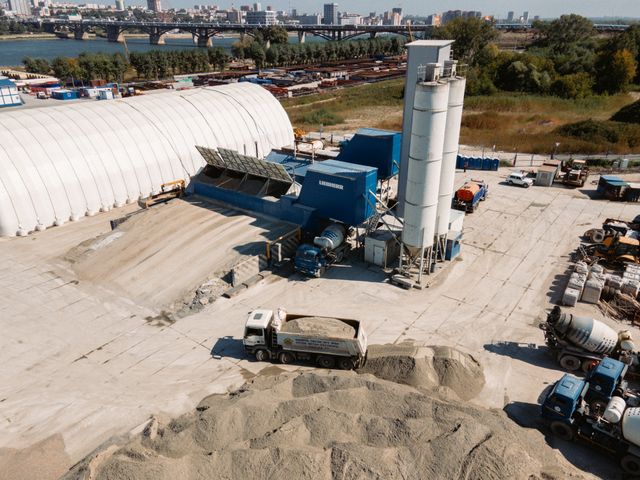
Cement & Aggregate
For limestone, clinker, cement raw material, aggregate, and dusty continuous conveying environments.
- Heat Resistant Conveyor Belt
- Burning Resistant Conveyor Belt
- Polyester Conveyor Belt
- Corrugated Sidewall Conveyor Belt
- Chevron Conveyor Belt
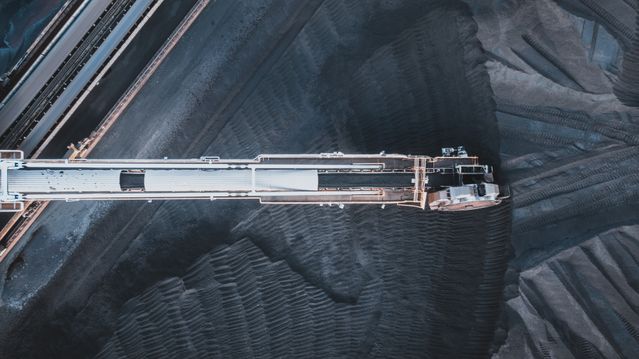
Coal & Power Plant
For coal handling, ash handling, limestone conveying, and bulk material transfer in power plant systems.
- Burning Resistant Conveyor Belt
- Steel Cord Conveyor Belt
- Polyester Conveyor Belt
- Heat Resistant Conveyor Belt
- Corrugated Sidewall Conveyor Belt
Port & Bulk Terminal
For high-capacity transfer of bulk cargo in ports, terminals, stockyards, and loading systems.
- Steel Cord Conveyor Belt
- Polyester Conveyor Belt
- General Purpose Conveyor Belt
- Oil Resistant Conveyor Belt
- Chevron Conveyor Belt
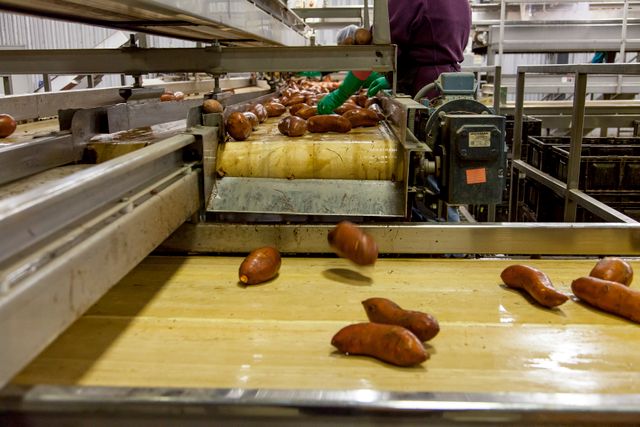
Grain & Fertilizer
For agricultural material handling, grain transfer, fertilizer conveying, and storage systems.
- General Purpose Conveyor Belt
- Polyester Conveyor Belt
- Oil Resistant Conveyor Belt
- Chevron Conveyor Belt
- Corrugated Sidewall Conveyor Belt
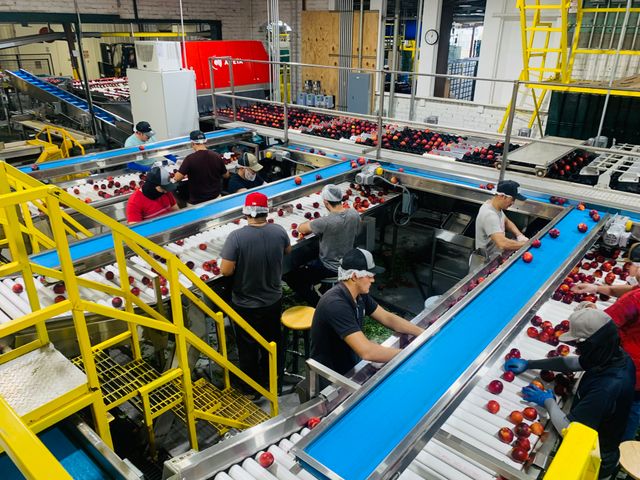
Food & Light Processing
For light-duty transfer lines, packing lines, and clean processing environments with material-specific requirements.
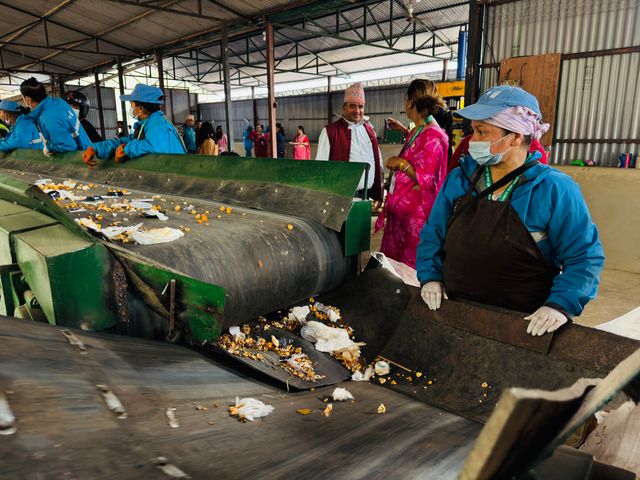
Recycling & Waste
For mixed material handling, recycling plants, waste sorting lines, and abrasive or irregular materials.
- Oil Resistant Conveyor Belt
- Polyester Conveyor Belt
- Nylon Conveyor Belt
- Chevron Conveyor Belt
- Corrugated Sidewall Conveyor Belt

Packaging & Logistics
For packaged goods, warehouse transfer lines, parcel movement, and general material handling systems.
What We Check Before Recommending a Belt
A suitable conveyor belt should be selected according to the real working condition, not only the industry name.
Material Type
Bulk density, particle size, sharpness, oil content, and chemical properties.
Working Temperature
Normal, hot material, outdoor temperature, and continuous operating condition.
Conveyor Length
Short transfer, long-distance conveying, high tension, and take-up design.
Inclination Angle
Flat conveying, inclined conveying, steep angle, sidewall, or cleated requirement.
Safety Requirement
Flame resistance, anti-static, oil resistance, weather resistance, and site standard.
Get a Belt Recommendation for Your Application
Send us your operating information, and we will help match suitable conveyor belt options for your project.
- Material: coal, ore, cement, grain, fertilizer, package, etc.
- Belt width, belt length, and conveying capacity.
- Working temperature and outdoor / indoor condition.
- Required belt type, cover thickness, and special performance.
- Destination country, expected quantity, and delivery time.
Tell Us Your Industry and Material
Our team can help recommend conveyor belt type, belt structure, cover rubber, and specification according to your application.