
Product Gallery
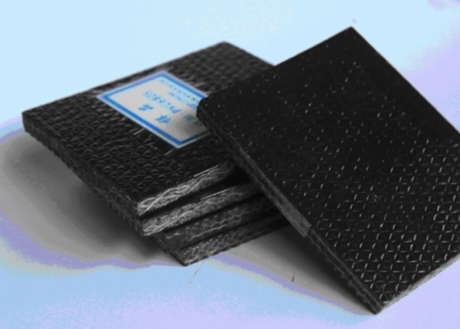
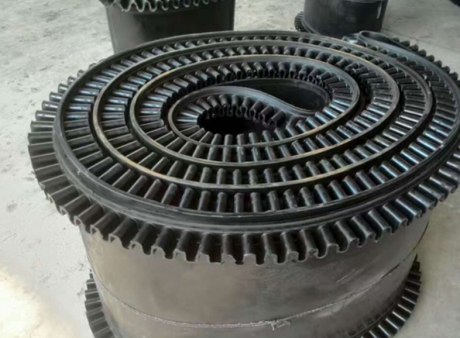
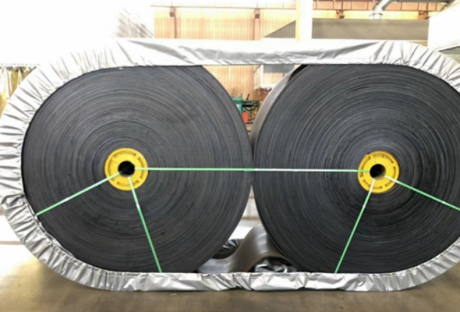
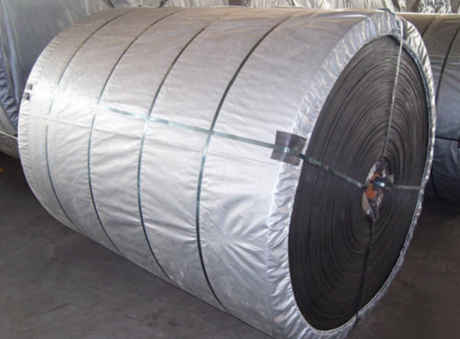
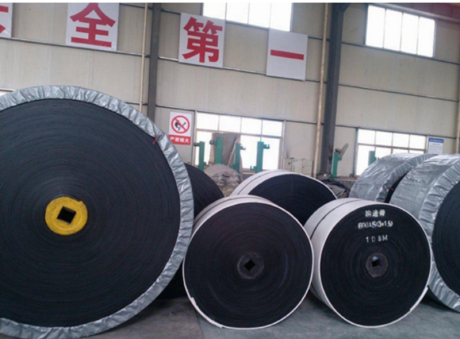
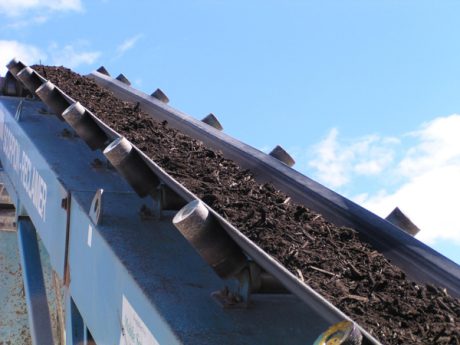
Heat resistant conveyor belts are designed for high-temperature conveying conditions. They help maintain belt performance when handling hot materials in cement plants, foundries, coking plants, sintering plants and similar industrial environments.
Technical Specifications
Basic Specifications
| Item | Specification |
| Application | Material or environment temperature higher than 60°C |
| Typical Industries | Sintering plant, coking plant, cement factory, iron foundry |
| Fabric / Carcass | Cotton / polyester-cotton / polyester / nylon 66 / steel cord |
| Width | 500–1800 mm |
| Tensile Strength | 200–2000 N/mm |
Physical and Mechanical Properties
Heat resistant conveyor belt specifications are selected according to working temperature, material type, belt width, tensile strength and carcass structure.
| Material Layer | Performance Item | Unit | Index |
| Coating Rubber | Tensile strength at break | MPa ≥ | 10 |
| Coating Rubber | Elongation rate at break | % ≥ | 240 |
| Coating Rubber | Strength | Shore A | 67-78 |
| Rubberized Fabric Layer | Bond strength between rubber and cloth | N/mm ≥ | 5.0 |
| Rubberized Fabric Layer | Bond strength between layers of cloth | N/mm ≥ | 3.15 |
| Rubberized Fabric Layer | Warp direction tensile strength at break of each rubberized fabric layer | N/mm ≥ | 150 |
| Rubberized Fabric Layer | Warp direction elongation rate at break of each rubberized fabric layer | % ≥ | 15 |
Note: The suitable heat resistant conveyor belt should be selected according to material temperature, ambient temperature, belt width, tensile strength, carcass material, conveyor length and working conditions. Please contact us for project-based selection.