
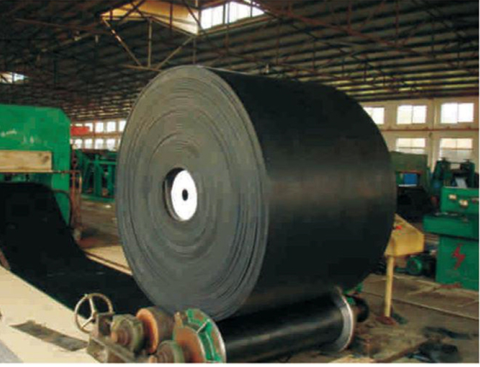
Oil Resistant Conveyor Belt Product Gallery
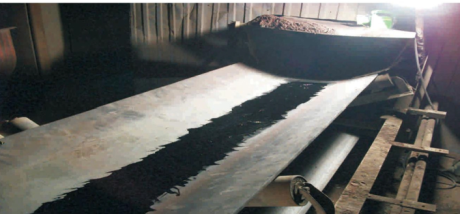
Oil resistant conveyor belts are suitable for oily material handling applications where standard rubber belts may swell, soften or lose performance due to oil contact. They help maintain belt stability, tensile retention and service performance when conveying fertilizer, soybean meal, oil seeds, grain by-products, chemical materials and other oil-containing bulk materials.
Oil Resistant Conveyor Belt Technical Specifications
Oil resistant conveyor belt performance is selected according to oil type, material condition, belt structure and working environment.
Basic Information
| Item | Specification |
| Product Type | Oil resistant conveyor belt |
| Cover Rubber | High-acrylonitrile rubber |
| Strength Layer | Cotton canvas / nylon canvas / polyester canvas |
| Application | Oily materials or oil-contact working environments |
| Main Advantages | Low volume change rate, high tensile retention and wide application range |
Coating Rubber Physical Performance
| Index Item | Requirement |
| Hardness | Shore A 60 ± 5 |
| Abrasion Value | ≤ 1.20 cm³ / 1.6 cm |
| Tensile Strength | ≥ 10.0 MPa |
| Elongation at Break | ≥ 300% |
| Oil-resistant Volume Change Rate | ≤ 10% after 50°C × 24h in 70# aviation oil |
Note: Oil resistant conveyor belt specifications are selected according to oil type, oil concentration, material temperature, contact time, belt width, belt length, fabric structure, rubber cover thickness, conveyor length, belt speed, load capacity and working conditions.
Oil Resistant Conveyor Belt Buyer Questions
These answers help buyers confirm whether an oil resistant conveyor belt is suitable for oily material handling before sending an RFQ.
What is an oil resistant conveyor belt used for?
An oil resistant conveyor belt is used for conveying oily materials and bulk materials that may contain vegetable oil, mineral oil, lubricating oil or chemical oil components.
It is commonly used in fertilizer plants, grain processing, chemical plants, recycling plants and other industrial conveyor systems where standard rubber belts may swell, soften or lose performance due to oil contact.
When should buyers choose an oil resistant belt instead of a standard belt?
Buyers should choose this type of belt when the conveyed material contains oil or when the working environment may expose the belt surface to oily substances.
A standard rubber conveyor belt may be affected by swelling, softening, cracking or reduced service life under long-term oil contact.
What oil information is needed before quotation?
Please provide the oil type, oil concentration, material temperature, contact time, material condition, belt speed, load capacity and working environment.
This information helps confirm the suitable rubber cover compound, cover thickness and belt structure for the project.
What materials are commonly conveyed by this belt?
This belt is commonly used for fertilizer, soybean meal, oil seeds, grain by-products, chemical bulk materials, recycled materials and other oil-containing materials.
Can the belt width, cover thickness and oil resistant grade be customized?
Yes. Belt width, belt length, fabric type, fabric layers, rubber cover thickness and oil resistant grade can be customized according to oil type, material condition, contact time, conveyor length, load capacity and working conditions.